_cropped.png)
How to Efficiently Fix Yard Drainage Problems: Yard Drainage Solutions for Your Home
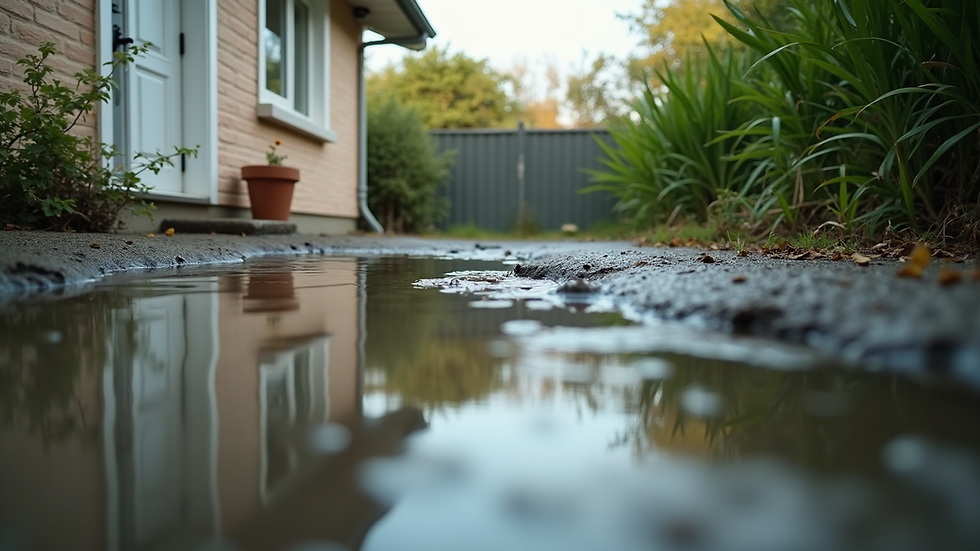
Water pooling in your yard can cause headaches. It damages your lawn, ruins your landscaping, and even threatens your home's foundation. You need clear, effective yard drainage solutions that work. This guide walks you through practical steps to fix drainage problems quickly and efficiently. You’ll learn how to spot issues, choose the right fixes, and keep your yard dry and healthy.
Understanding Yard Drainage Solutions
Before you start digging or installing pipes, understand how water moves through your yard. Water flows downhill, following the path of least resistance. If your yard slopes toward your house or has low spots, water will collect there. This causes soggy soil, muddy patches, and sometimes standing water.
Good yard drainage solutions redirect water away from your home and prevent pooling. These solutions include grading the land, installing drains, and using materials that improve water flow. You want water to move smoothly off your property without causing damage.
Common Yard Drainage Problems
Poor grading: Soil slopes toward your home or flat areas trap water.
Compacted soil: Hard soil stops water from soaking in.
Clogged gutters and downspouts: Overflow sends water into your yard.
Blocked or missing drains: Water has nowhere to go.
Heavy clay soil: Drains slowly, causing puddles.
Fixing these issues starts with a clear plan. You need to assess your yard’s layout and soil type. Then, choose the right drainage solution for your specific problem.
Effective Yard Drainage Solutions You Can Implement
You don’t need to call a professional right away. Many yard drainage solutions are simple and affordable. Here are some effective methods you can try:
1. Regrade Your Yard
Regrading means reshaping the land to create a gentle slope away from your home. A slope of at least 2% (about a quarter inch per foot) helps water flow downhill. Use a shovel or hire a landscaper to add soil where needed and smooth out low spots.
2. Install a French Drain
A French drain is a trench filled with gravel and a perforated pipe. It collects water underground and directs it away from problem areas. This solution works well for yards with heavy clay soil or persistent puddles.
3. Use Dry Wells
Dry wells are underground pits filled with gravel. They collect excess water and let it slowly seep into the ground. Place dry wells where water tends to pool, such as near downspouts or low spots.
4. Clean and Extend Gutters
Make sure gutters and downspouts are clear of debris. Extend downspouts at least 5 feet away from your foundation to prevent water from saturating the soil near your home.
5. Add Rain Gardens
Rain gardens are planted depressions that absorb rainwater. They use native plants that thrive in wet conditions. Rain gardens slow runoff and improve water absorption.
6. Aerate Your Lawn
Aerating your lawn breaks up compacted soil and improves water absorption. Use a lawn aerator or rent one from a garden center.
These solutions can be combined for the best results. For example, regrading your yard and installing a French drain can solve both surface and underground drainage problems.
Can I Dig a Hole and Fill It with Gravel for Drainage?
Yes, digging a hole and filling it with gravel can help with drainage, but it depends on the situation. This method is similar to creating a dry well or a simple gravel pit. It allows water to collect and slowly seep into the ground.
When This Works
You have a small, localized puddle.
The soil drains slowly.
You want a quick fix without major excavation.
How to Do It Right
Choose the right spot: Pick the lowest point where water pools.
Dig a hole: About 2-3 feet deep and wide enough to hold water.
Line the hole: Use landscape fabric to prevent soil from mixing with gravel.
Fill with gravel: Use clean, coarse gravel for best drainage.
Cover with soil or mulch: This keeps the area neat and helps plants grow.
Limitations
Gravel holes don’t work well for large drainage problems.
They don’t redirect water away from your home.
They may need regular maintenance to prevent clogging.
If you want a long-term solution, consider combining gravel pits with other yard drainage solutions.

How to Fix Yard Drainage Issues with Simple Tools and Techniques
You don’t need heavy machinery to improve your yard’s drainage. Many fixes require just basic tools and some elbow grease. Here’s how to tackle common problems yourself:
Fixing Low Spots
Use a shovel to fill low spots with soil.
Compact the soil lightly to prevent future sinking.
Add grass seed or sod to restore your lawn.
Clearing Gutters and Downspouts
Use a ladder and gloves to remove leaves and debris.
Flush gutters with a hose to check for blockages.
Attach downspout extensions to move water away from your foundation.
Installing a Simple French Drain
Dig a trench about 6 inches wide and 18-24 inches deep.
Line the trench with landscape fabric.
Add a layer of gravel.
Lay a perforated pipe on top of the gravel.
Cover the pipe with more gravel.
Fold the fabric over the gravel and cover with soil.
Aerating Your Lawn
Rent or buy a lawn aerator.
Run the aerator over your lawn in multiple directions.
Water your lawn after aerating to help water soak in.
These steps improve water flow and prevent damage. They also boost your yard’s health and appearance.
Preventing Future Drainage Problems
Once you fix your yard drainage problems, keep them from coming back. Regular maintenance and smart landscaping choices make a big difference.
Maintain Gutters and Downspouts
Clean gutters twice a year, especially in fall and spring. Check downspouts for damage and proper extension.
Monitor Yard Grading
After heavy rains, check for new low spots or erosion. Add soil and reseed as needed.
Choose Plants Wisely
Plant native, water-loving plants in low areas. They absorb excess water and reduce runoff.
Avoid Overwatering
Water your lawn and garden only as needed. Excess water adds to drainage problems.
Inspect Drainage Systems
If you installed drains or dry wells, inspect them yearly. Remove debris and repair damage promptly.
By staying proactive, you protect your home and yard from water damage.
Taking the Next Step for Your Yard
Fixing yard drainage problems improves your home’s value and comfort. You create a safer, more attractive outdoor space. If you want expert help, consider professionals who specialize in yard drainage solutions. They bring experience and precision to the job.
For homeowners in Baldwinsville and Central NY, quality craftsmanship and reliable service matter. Precision Pavers offers durable outdoor living spaces and effective drainage solutions tailored to your needs. Whether you want to tackle the problem yourself or get professional advice, start with a clear plan and the right tools.
Your yard deserves the best care. Take action today and enjoy a dry, beautiful outdoor space all year round.
Comments